

Hot Takes: Tár
Cate Blanchett stars in this pretentious Academy Awards thirst trap.

On paper, Tár was supposed to be my jam. I am a queer woman and former classical musician who was raised by a band director. I’m familiar with Mahler, I vaguely know who Leonard Bernstein is, and even though I was raised in a Midwestern town of 5000, I’m aware that the Berlin Philharmonic is considered one of the best orchestras in the world.
But after watching this long long long long long film, I genuinely have no idea who this movie was made for. It certainly wasn’t me.
My brief synopsis of Tár: Lydia Tár is the first world-renowned woman conductor. To stay at the top of her prestigious career, she must continue dodging the consequences of her toxic and abusive actions.
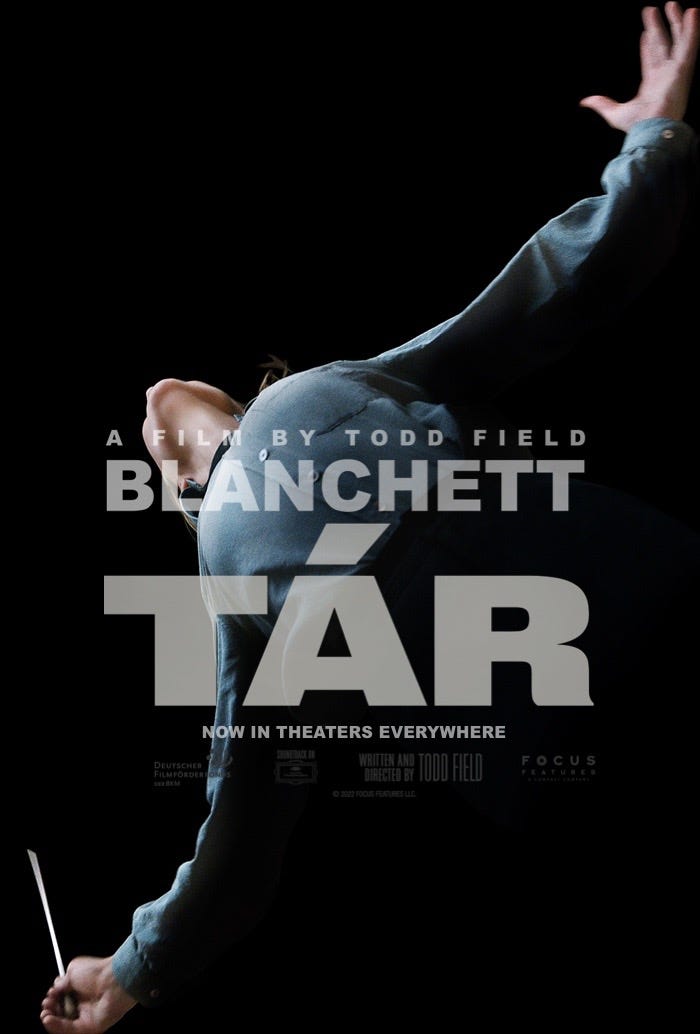
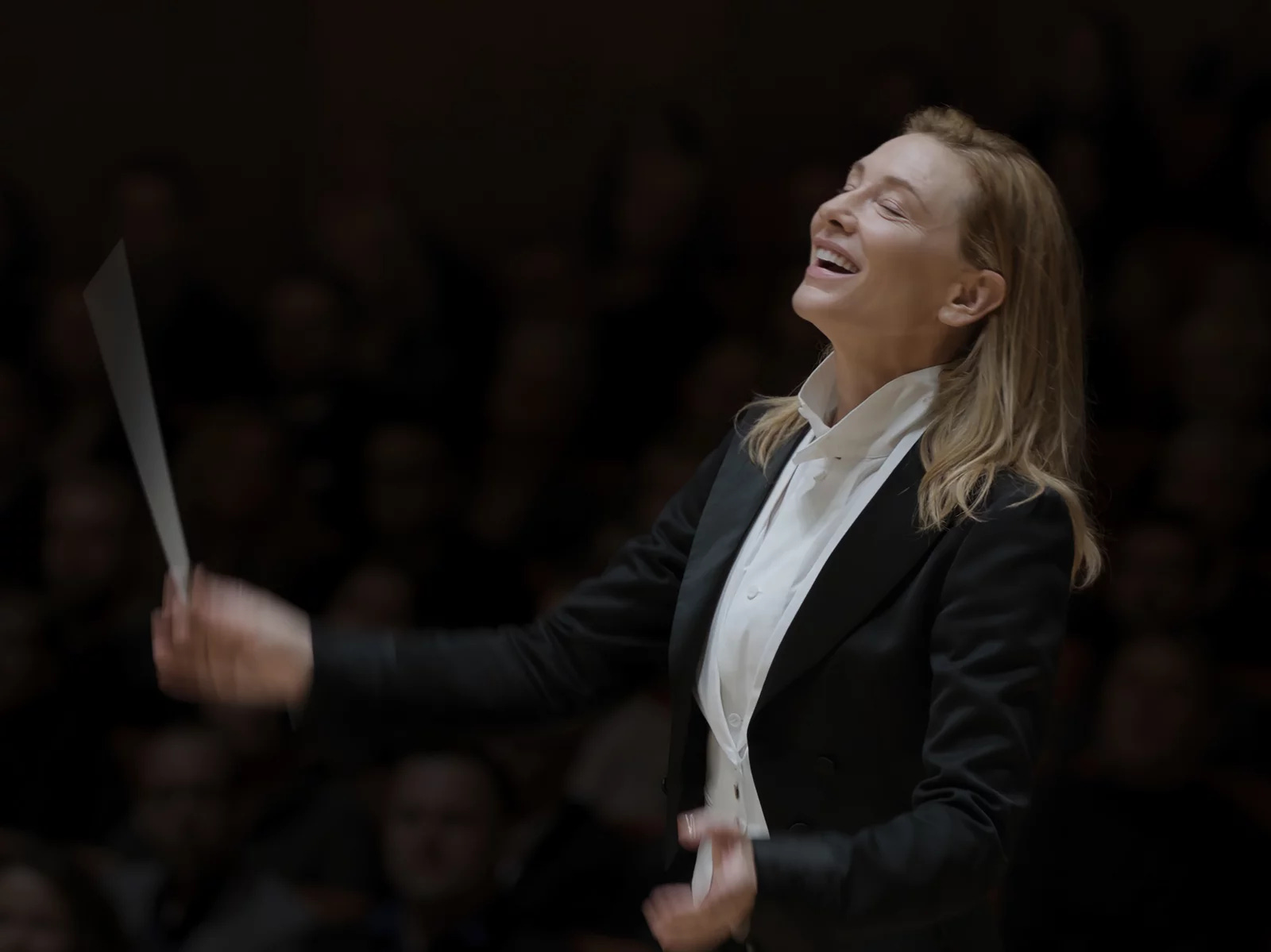
See it because: Cate Blanchett is one of the greats. The cinematography is nice, the stoic visuals do a great job at creating an austere, cold world
Pass if you dislike: Unnecessarily long movies, films that want you to know you’re watching Art, Boomers complaining about cancel culture, casual racism, tonal inconsistencies
See it in theaters or wait for streaming: If we’re being honest (and we are!), had I waited for streaming I might have gotten distracted halfway through
My rating: 2/5
Inspired me to see: Whiplash (2014), Amadeus (1984)
🚨spoilers & hot takes 🚨
Read at your own risk.
In addition to multiple tonal inconsistencies and anti-Asian sentiments, here are my issues with Tár:
The Juilliard class & the debate about cancel culture.
Lydia Tár is finally canceled after a guest workshop at Juilliard where she insults a self-identifying BIPOC pansexual student who is unprepared for the class and doesn’t like Brahms because Brahms was a Nazi (or was it Bach?). Another student records Lydia Tár’s patronizing rebuttal, and edits the video so the speech is overtly racist and antisemitic. The student then posts it on social media. It goes viral.
I don’t buy this character. Am I really supposed to believe that one of the only BIPOC students in a classical conducting program at fucking Juilliard would come unprepared to a workshop with the most well-known conductor in the world?
Given Lydia Tár’s implied history of abuse, it’s weird that this was the event the filmmaker used to take her down. Because the student’s dialogue was written, almost verbatim, like a right wing newscaster’s point-of-view of how young liberals speak (obsession with identity politics / we don’t work hard), I’m skeptical that the film’s audience will feel that justice was served when she finally faces the consequences.
Lack of Representation in the Arts.
Look, it’s great that men are finally writing women characters. Tár may be the only film at the awards this year whose protagonist is both a woman and LGBTQ+.
But in my opinion, art needs to be evaluated within cultural context. It’s important to note that women conductors have yet to reach the status of their male colleagues (The NYT published this piece last year). It’s not just true in music, it’s true in fine art, fashion, publishing, TV, and especially in film — at least in the US. There are very few women, especially lesbians, with the power and prestige of Lydia Tár in the real world.
Why does this matter in the context of Tár? Because this is a film set in reality except for one thing — there are no Lydia Társ. To vilify a woman who isn’t even allowed to exist to make an oblique point is upsetting in a way that’s honestly difficult to put my finger on.
Alright, there it is: my hot take! Thanks for reading. I’d love to hear what you thought of the film.
Tune in next week for a holiday movie list.
xx
LJ